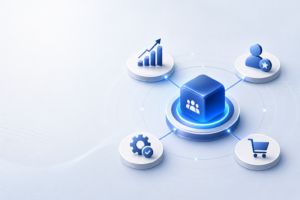
Making the switch to CRM is essential for small businesses as they grow. For many, spreadsheets initially offer a simple way to manage customer data. However, a Customer Relationship Management (CRM) system becomes necessary as operations expand. This transition can significantly enhance efficiency and customer satisfaction.
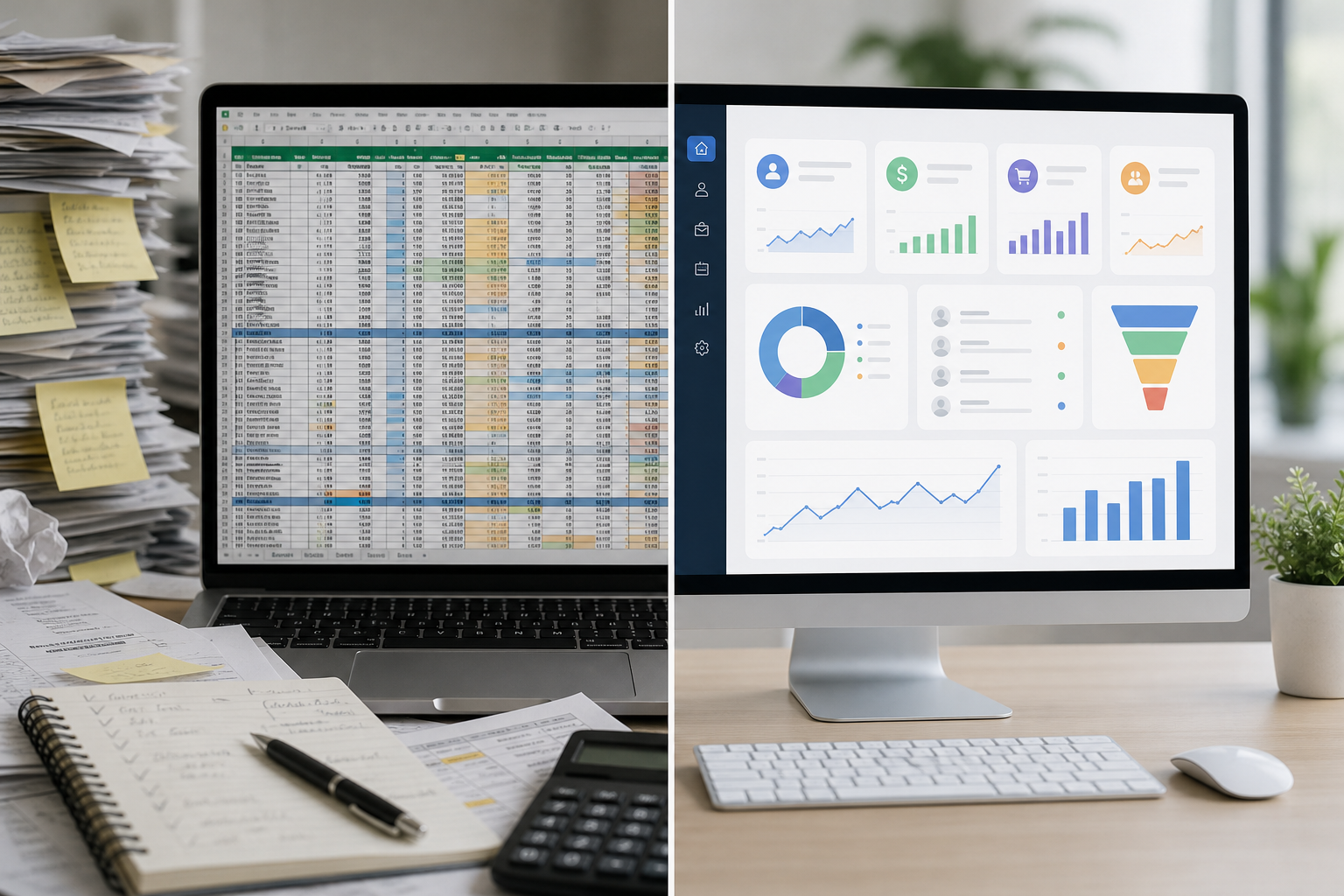
Key takeaways
- Recognize the signs your small business needs a CRM.
- Understand CRM benefits over spreadsheets for managing customer data.
- Learn steps to effectively switch to a CRM like Big Five CRM.
When should a small business switch to CRM?
Consider switching to CRM when managing customer data in spreadsheets becomes challenging due to increased volume, complexity, or integration needs. High error rates and difficulty tracking customer interactions also signal it’s time to transition.
Why is a CRM system a better choice?
A CRM system provides centralized data management, real-time updates, and better access. It helps track client interactions and offers analytical tools for valuable insights. Spreadsheets may lack these capabilities.
How to switch to a CRM system?
Transitioning involves selecting the right CRM, migrating data, setting up integrations, and training staff. For instance, Big Five CRM supports small businesses with a centralized management platform.
For more about Customer Relationship Management, visit Wikipedia.
For background on the category, see this overview of customer relationship management.
Frequently asked questions
What is a CRM system?
A CRM (Customer Relationship Management) system is a technology that manages all customer data and interactions in one place. It integrates sales, marketing, and service processes.
Why should a small business use a CRM instead of spreadsheets?
CRM systems offer centralized data management and real-time tracking, improving data integrity and analytics, unlike spreadsheets.
How does Big Five CRM support small businesses?
Big Five CRM provides an integrated platform, simplifying the transition from spreadsheets to enhanced data management and process integration.